
Marketing a therapy practice feels different from marketing a restaurant or retail store. You are reaching people during vulnerable moments, and the ethical stakes are higher. But the reality is clear: if potential clients cannot find you online, they cannot get the help they need.
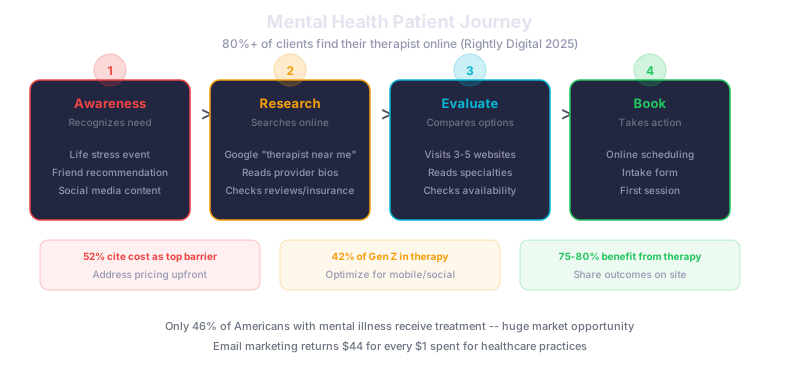
Short answer: Over 80% of clients find their therapist online (Rightly Digital's 2025 research). Yet only 46% of Americans with mental illness receive treatment, and 42% cite difficulty finding a provider as a top barrier. Ethical, effective online marketing is not self-promotion. It is removing obstacles between people and the care they need.
SEO: Be Where Clients Are Searching
There are 100 billion healthcare searches on Google annually and 70,000 health-related searches every minute. When someone types "therapist near me" or "anxiety counseling [city]," your practice needs to appear.
Start with your Google Business Profile. Fill out every field: specialties, accepted insurance, office hours, and photos. Collect reviews from clients who are comfortable sharing their experience. A steady review profile builds trust before someone ever visits your website.
On your website, create dedicated pages for each specialty you offer: anxiety, depression, couples therapy, PTSD, grief counseling. Each page should clearly explain your approach, what a first session looks like, and who this service is best for. These pages rank for specific searches that generic "about" pages miss.
Content That Reduces Stigma and Builds Trust
Content marketing for therapists is about demonstrating expertise while making information accessible. Blog posts that answer common questions ("Is it normal to feel anxious about therapy?" or "How do I know if I need couples counseling?") accomplish two things: they help your site rank for searches and they reassure potential clients.
Short videos answering frequently asked questions perform well on Instagram and your website. Seeing and hearing a therapist talk naturally about common concerns helps potential clients feel comfortable before reaching out.
Address the Cost Barrier Directly
52% of Americans cite cost as the top obstacle to seeking mental health treatment (Grow Therapy's 2025 statistics). Your marketing needs to address this head-on. Clearly list accepted insurance plans on every page. If you offer sliding scale fees, say so prominently. If you accept out-of-network benefits, explain how reimbursement works.
Hiding pricing information until a phone call creates friction that stops people from reaching out. Transparency about cost is not just good marketing. It is ethical practice.
Email Marketing for Retention
Email marketing delivers a $44 return for every $1 spent in healthcare. For therapy practices, this means sending monthly newsletters with helpful content, appointment reminders, and seasonal mental health resources. Segment your list so prospective clients receive different content than existing clients.
A welcome sequence for new inquiries can guide them from initial interest to booking their first session over three to five emails that answer common questions and share what to expect.
Social Media: Education Over Promotion
Social media for therapists works best as an educational channel. Instagram is effective for reaching younger demographics, particularly relevant since 42% of Gen Z Americans report being in therapy, a 22% increase since 2022 (Grow Therapy).
Share content that normalizes seeking help, explains therapy modalities in plain language, and offers practical coping strategies. This builds your reputation as a trusted expert while reaching people who may not be ready to search for a therapist yet.
For a comprehensive digital marketing strategy for healthcare practices, combining SEO, content, and email creates a system that reaches potential clients at every stage of their decision process.
What This Means for Your Practice
The gap between people who need mental health care and those who receive it is enormous. Effective online marketing helps close that gap by making your practice visible, approachable, and easy to contact. Start with Google Business Profile and SEO, add educational content, and build email automation for follow-up.
Related reads:
- How to Get More Five-Star Reviews for Your Service Business
- Google Business Profile Categories: How to Choose the Right Ones
- Voice Search Optimization for Local Businesses
Want to reach more clients who need your help? We build marketing systems for healthcare practices that drive bookings while respecting patient privacy and professional ethics. Get started
